Sylvia Plath’s “Aftermath” and the Tragedy Lookie-Loos
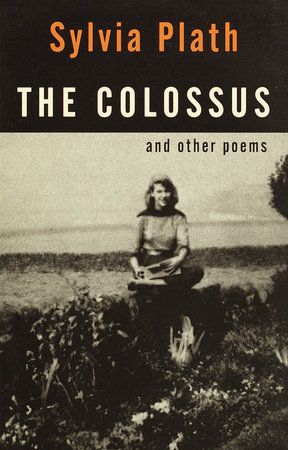
I am a avid reader of poetry but April, National Poetry Month, is a time for a closer look and a bit of introspection when it comes to my shelf of poetry books. I pulled Sylvia Plath’s The Colossus and Other Poems the other day and thumbed through the contents and my notes. I’ve read this collection of poems numerous times over the past twenty or so years and each reading is a new experience (I change, times change, and the world changes).
There is one poem in this collection that caught my attention with this recent rereading. Plath’s “Aftermath” is fourteen lines of raw emotion packed into two stanzas. I don’t intend to develop any sort of in-depth analysis of this poem, but I want to tap out a couple of observations and see what you think. The first stanza presents us with a tragedy and the assorted lookie-loos who are drawn to the aftermath. These lookie-loos love to act as if the tragedy happened to them. They get some sort of perverse enjoyment through this play acting. The second stanza expands on the first. The lookie-loos, not satisfied with pretending that the tragic event happened to them, attempt to identify with the survivors. They don’t want to know too much about the victims because it would detract from their own vicarious experience. Instead, like some sort of emotional vampires, they attempt to feed off the suffering of the victims. Once the lookie-loos have their fill they move along to the next tragedy and the next victim.
Reading Plath is always an enlightening and somewhat humbling experience (each and every time). “Aftermath” is a succinct indictment of those individuals who troll tragedies looking for some sort of perverse thrill, and she does it in fourteen lines.


 Reels, Records, & Reads
Leave a comment